ThriveRlife
SHIATSU THERAPY & INTEGRATED MOVEMENT
THE THRIVERLIFE APPROACH
How the Work Takes Shape
Conversation, observation, assessment, and feedback help shape what we work on and how we approach it. In individual sessions and classes, the choice of methods, techniques, and intensity is informed by the people taking part, their abilities and goals, and what we learn through practice.
Understanding
What Matters
The starting point is the person, their circumstances, abilities, needs, and goals. Conversation, observation, and assessment help establish where to begin, informed by knowledge and experience drawn from different disciplines.
Shiatsu & Chinese Medicine
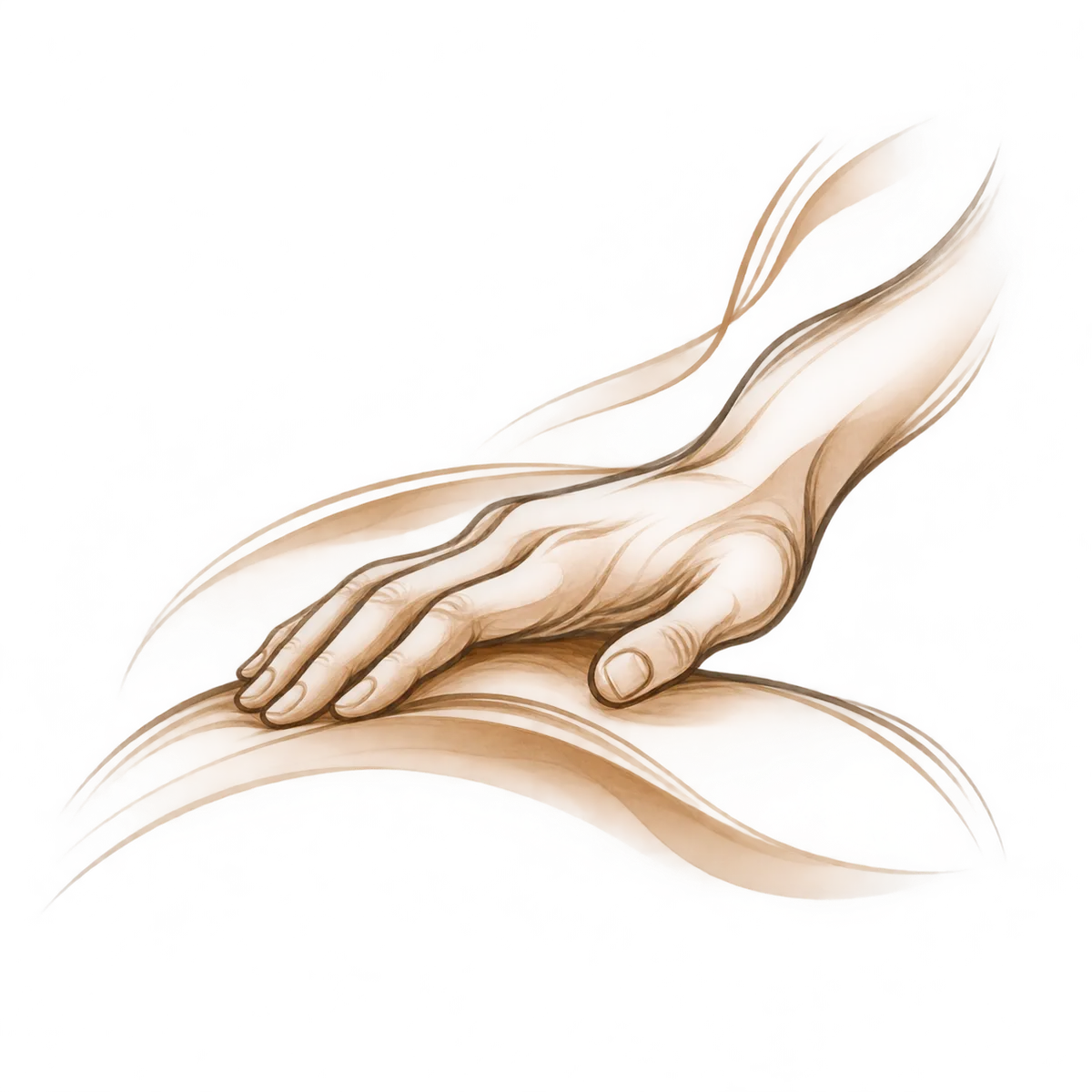
Classical and Zen Shiatsu, together with Traditional Chinese Medicine, inform observation, assessment, and manual treatment.
Attention to tension, sensitivity, movement, and individual responses helps guide where to work, which techniques to use, and how treatment is adapted as it progresses.
Anatomy & Physical Training
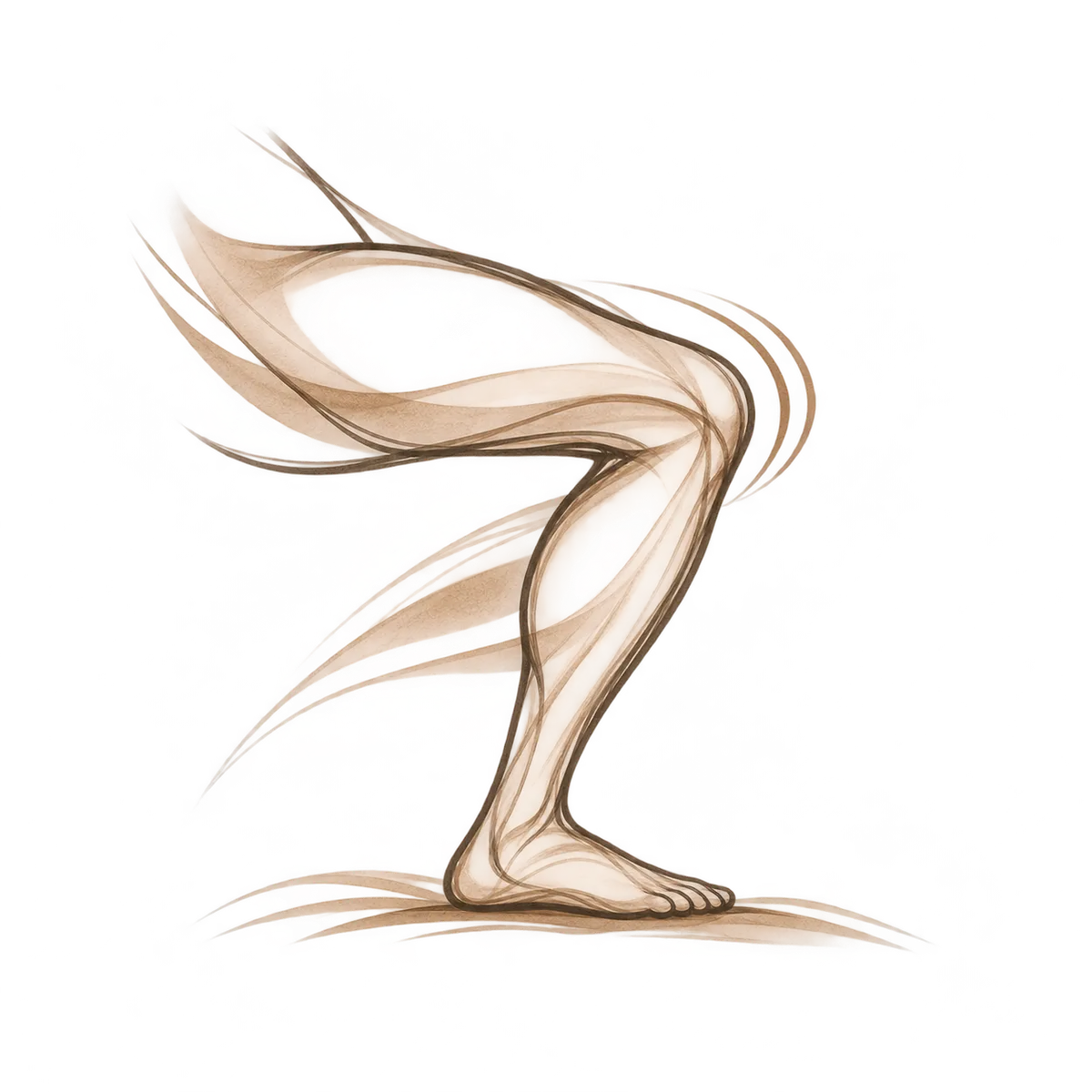
Anatomy, physiology, biomechanics, and principles of physical training inform the understanding of movement, physical capacity, and the demands placed on the body.
Assessment and exercise principles guide the selection of movements, appropriate levels of effort, and progression towards individual physical goals.
Martial Arts & Movement
Education
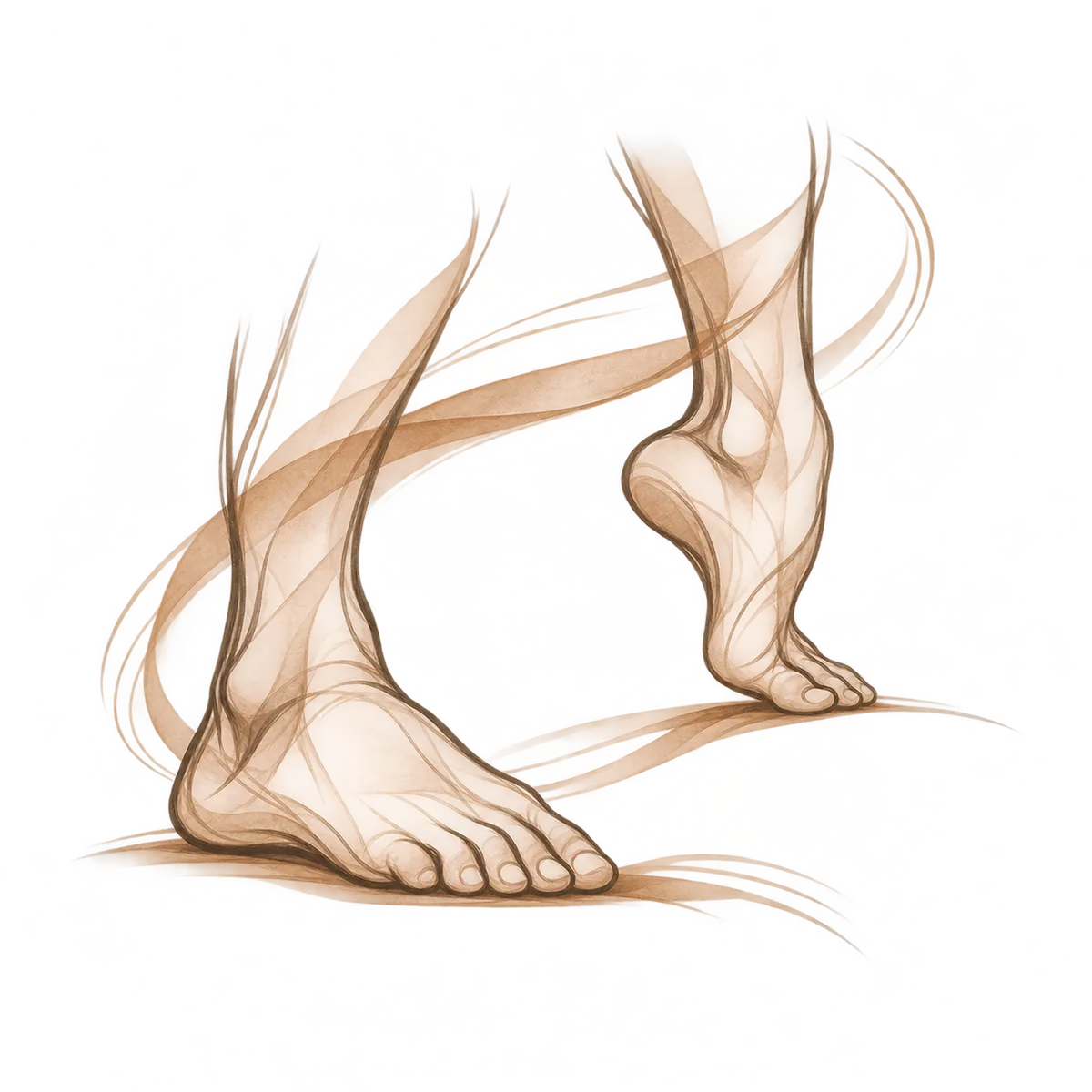
Kung Fu, Taiji, Qigong, and other movement disciplines provide methods for exploring balance, coordination, posture, stability, and the use of force.
Observation, repetition, and feedback help develop movement skills and guide adjustments to position, timing, and effort.
Attention & Awareness
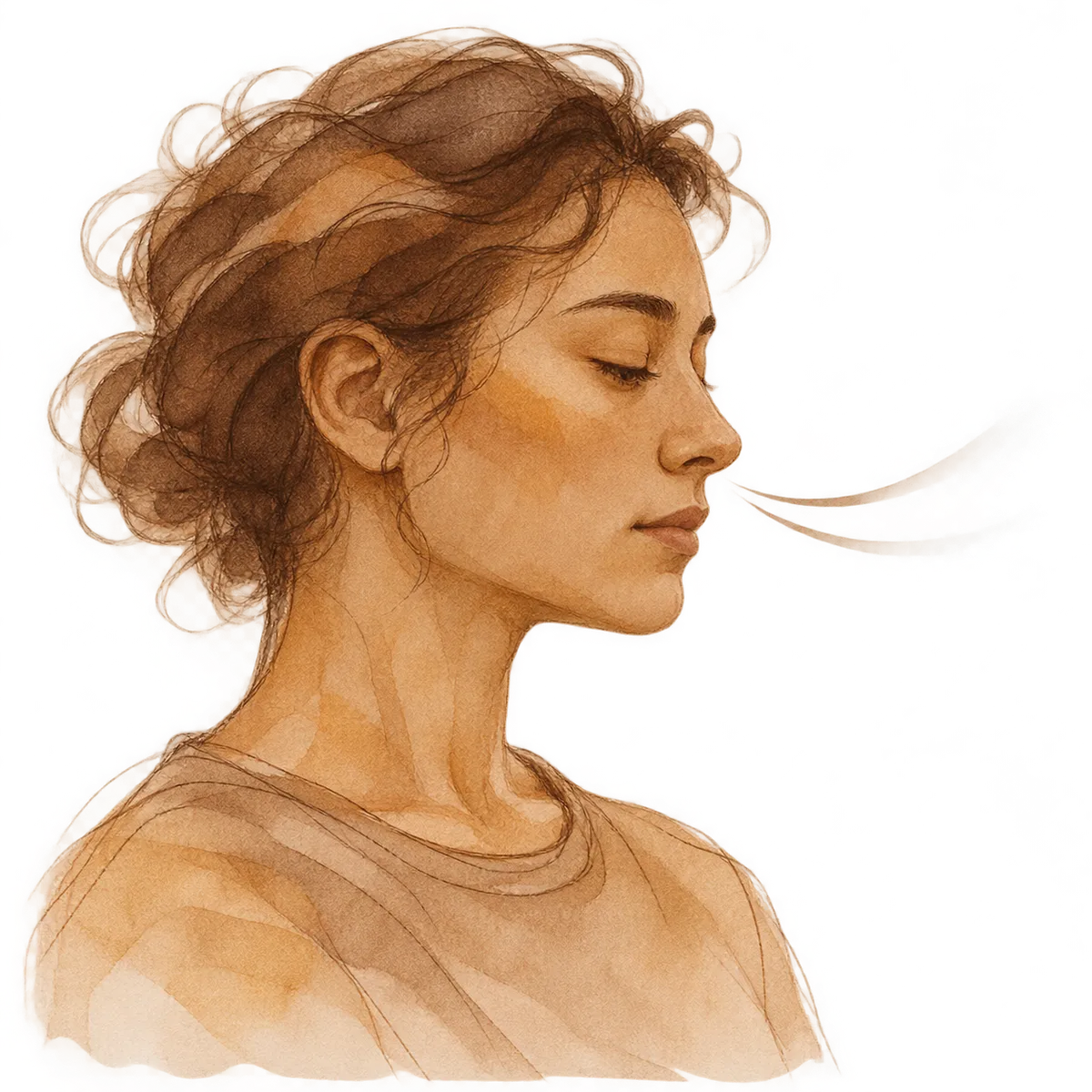
Contemplative practice and movement-based awareness inform the use of attention, breathing, and bodily sensations during physical activity and stillness.
Recognizing changes in tension, effort, concentration, and physical responses provides information that can help guide adjustments in movement and practice.
Choosing and Adapting
In Individual Sessions
What we learn through conversation, observation, assessment, and feedback guides the choice of approach. A session may focus on Shiatsu, adapted physical exercise, movement exploration, or a combination.
Responses during treatment or exercise help determine whether to continue, adjust technique or intensity, explore another movement, or reconsider the starting point. The approach develops through what we observe and experience together.
In Classes
Each class has its own focus, while teaching is adapted to the group and its participants. The same movement or exercise can be explored in different ways according to individual abilities, experience, and development.
Observation, practice, and feedback guide adjustments to position, range of movement, pace, and intensity, allowing participants to work within a shared class while developing at their own level.
Learning through Practice and Feedback
What we observe and experience during treatment or movement helps us understand what is changing and what may need further attention. Differences in comfort, movement, physical capacity, coordination, or awareness can inform how the work continues.
Feedback is part of this process. What you notice, what becomes easier or more difficult, and how you respond to different approaches help guide further choices.
Progress is considered in relation to your individual aims, with room to adjust direction, intensity, or methods as understanding develops.
About ThriveRlife
Background, experience, and what
shapes this practice.



Get in Touch
Questions, Information, or to arrange
a first conversation.