ThriveRlife
SHIATSU THERAPY & INTEGRATED MOVEMENT
FOR CHILDREN, ADULTS & ATHLETES
Classes &
Groups
Develop physical capacity, movement quality, and body awareness through shared practice.
Movement
Classes
Classes for adults and children in Qigong, Kung Fu, Jiu-Jitsu, and integrated movement practice. Each class has its own focus, with teaching adapted to the group and progression shaped by participants' abilities, needs, and experience.
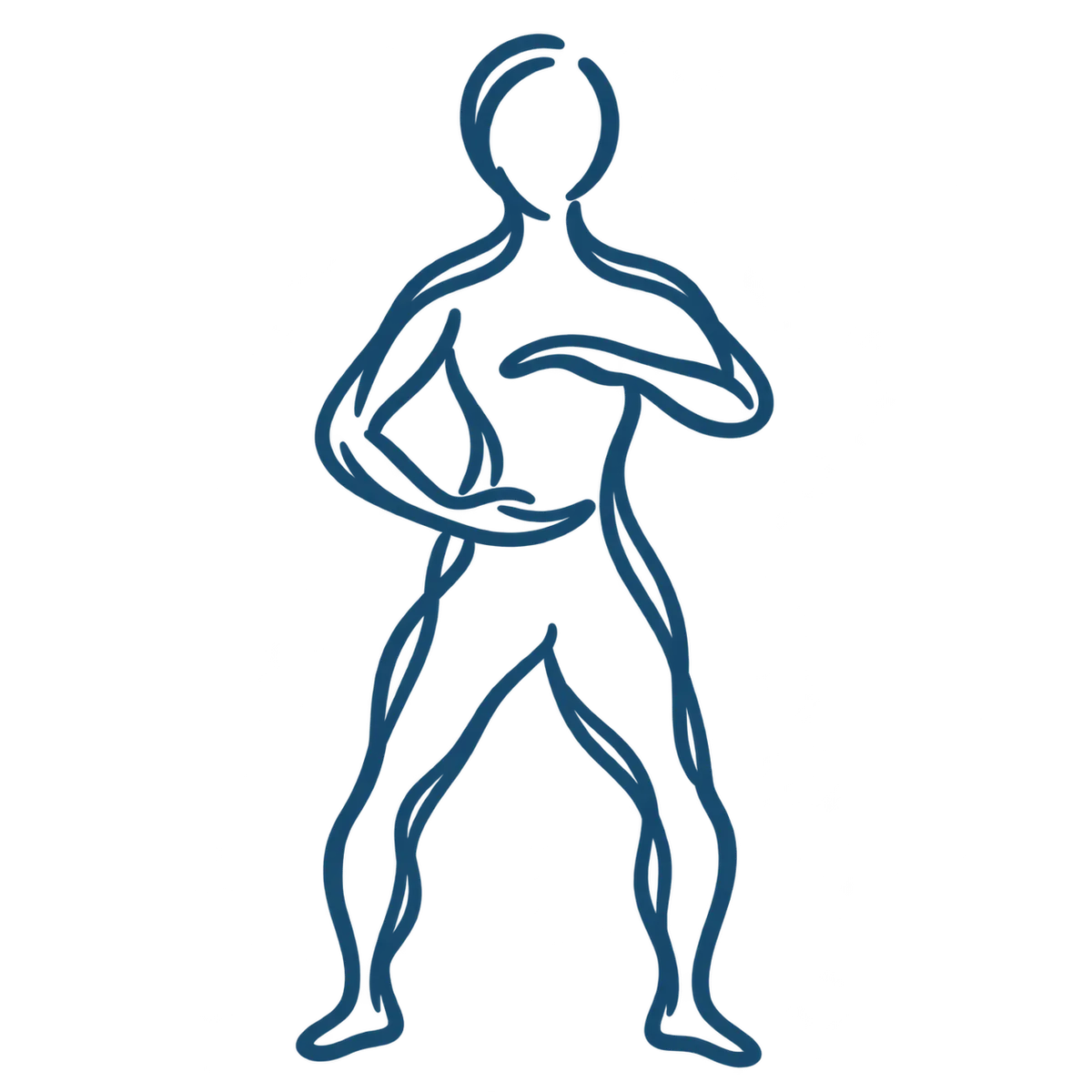
Qigong
For adults
Coordinating movement, posture, breath, and attention, Qigong offers a progressive practice developing physical capacity, movement quality, balance, and concentration.
Through standing positions, coordinated movement, and repeated practice, participants explore the relationship between stability and movement, effort and release, and how breathing and attention relate to movement.
The depth, pace, and intensity of practice are adapted to participants' abilities, needs, and experience, allowing movement and awareness to develop progressively.
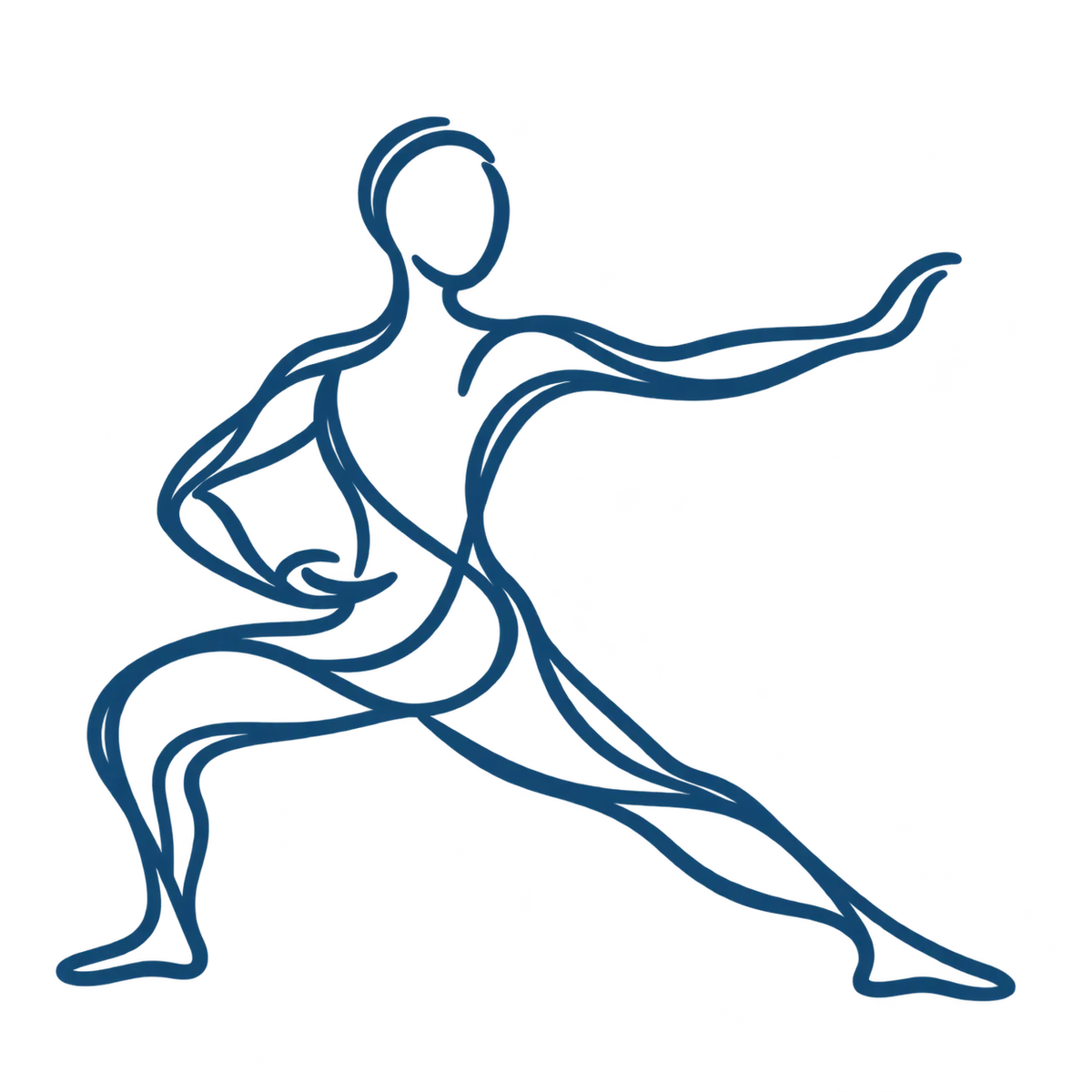
Kung Fu
For children and adults
Stances, footwork, forms, and movement principles from Kung Fu and Qigong develop strength, mobility, coordination, balance, and attention.
Through individual movement practice, participants explore stability, fluidity, changes of direction, and the expression and control of force.
Repetition, observation, and gradual progression help develop physical skills and a greater understanding of movement.
Teaching is adapted to participants' abilities and experience, and for children, to their age and development, with emphasis on exploration, confidence, and physical development.
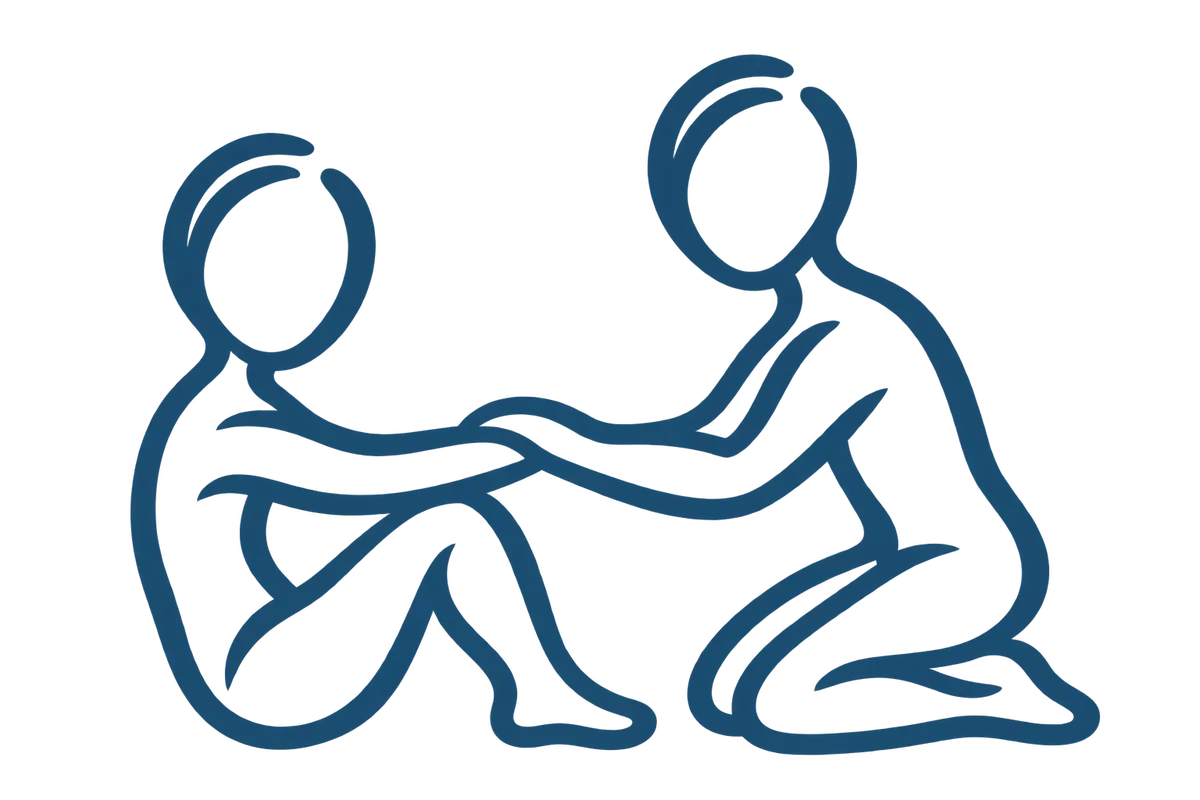
Jiu-Jitsu
For children
Through Judo and Jiu-Jitsu techniques, games, and grappling exercises, children learn to fall, roll, balance, and move with a partner on the ground.
Partner activities develop coordination, stability, body control, and the ability to respond to movement, contact, and changing positions.
Children learn to work together, recognize each other's boundaries, and adjust their actions through practice and feedback.
Teaching is adapted to their age, abilities, and development, with attention to physical confidence, cooperation, and safe participation.
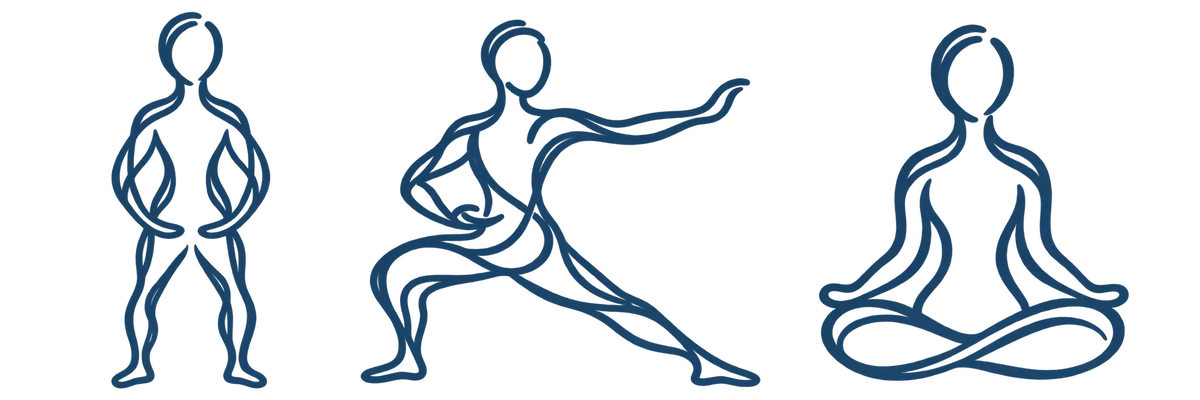
Movement, Strength & Stillness
Workshop for adults
Drawing on Kung Fu, Taiji, Qigong, physical training, and contemplative practice, this guided workshop explores how attention, breathing, strength, and movement work together.
Participants move through standing and postural work, coordinated movement, and physical challenges, exploring stability, effort, control, and changes in physical effort, attention, and concentration.
The experience progresses from arrival and preparation through movement and physical effort, bringing the different elements together in closing meditation and stillness. Exercises and intensity are adapted to participants' abilities and needs.
What we work on together
ThriveRlife is primarily about movement education, physical development, and self-regulation. It is not a martial arts school, fighting, competition, or belt ranking system.
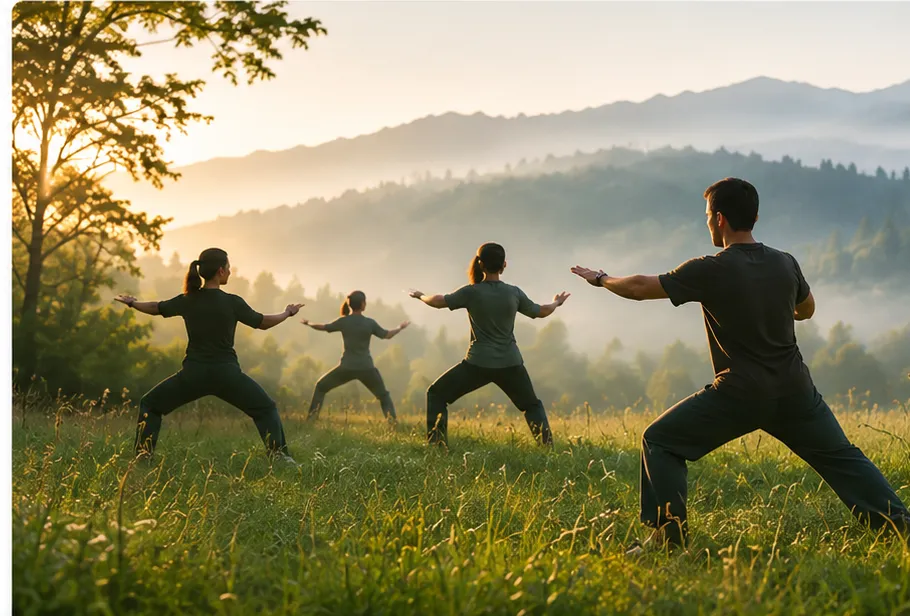
Qigong
Develops balance, coordination, posture, and concentration, while developing awareness of breathing, tension, and physical effort. Regular practice supports greater control of movement and the ability to adjust between activity, relaxation, and focused attention.
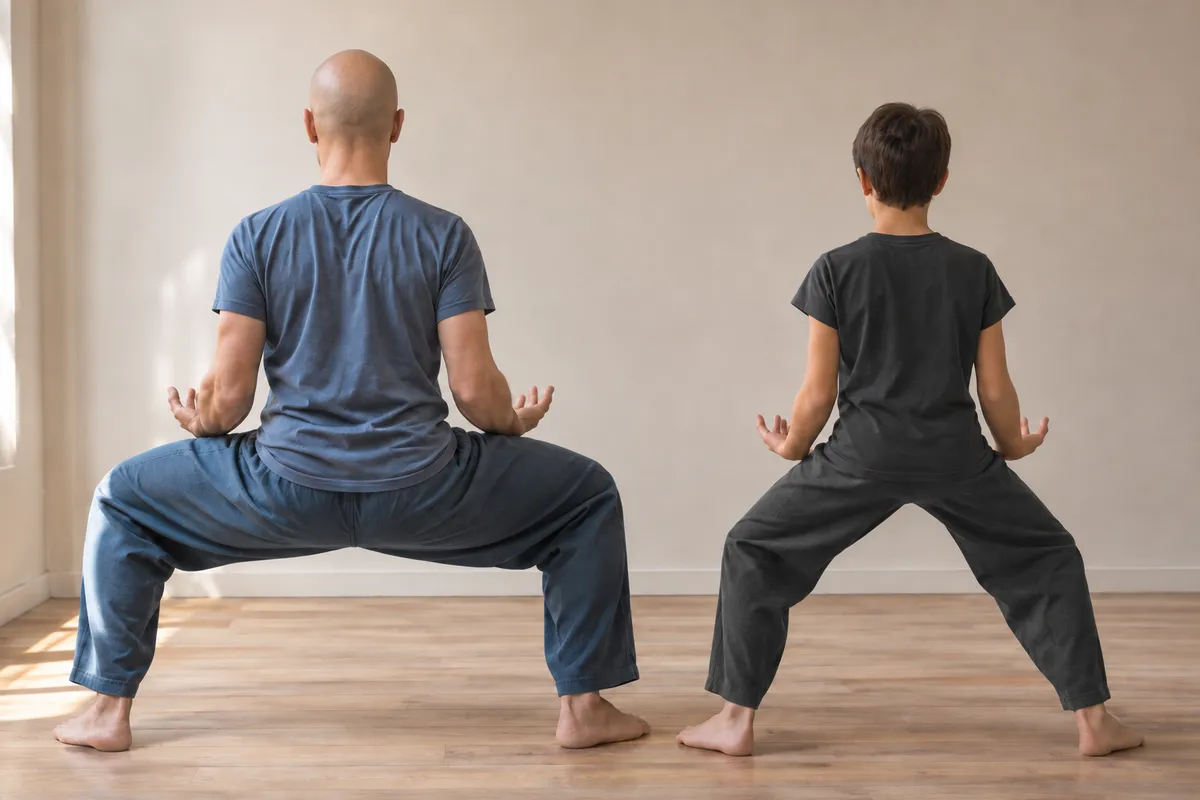
Kung Fu for children
Develops strength, mobility, balance, coordination, and physical confidence. Children learn to control their movements, respond to changing situations, and approach physical challenges with greater attention, stability, and confidence.
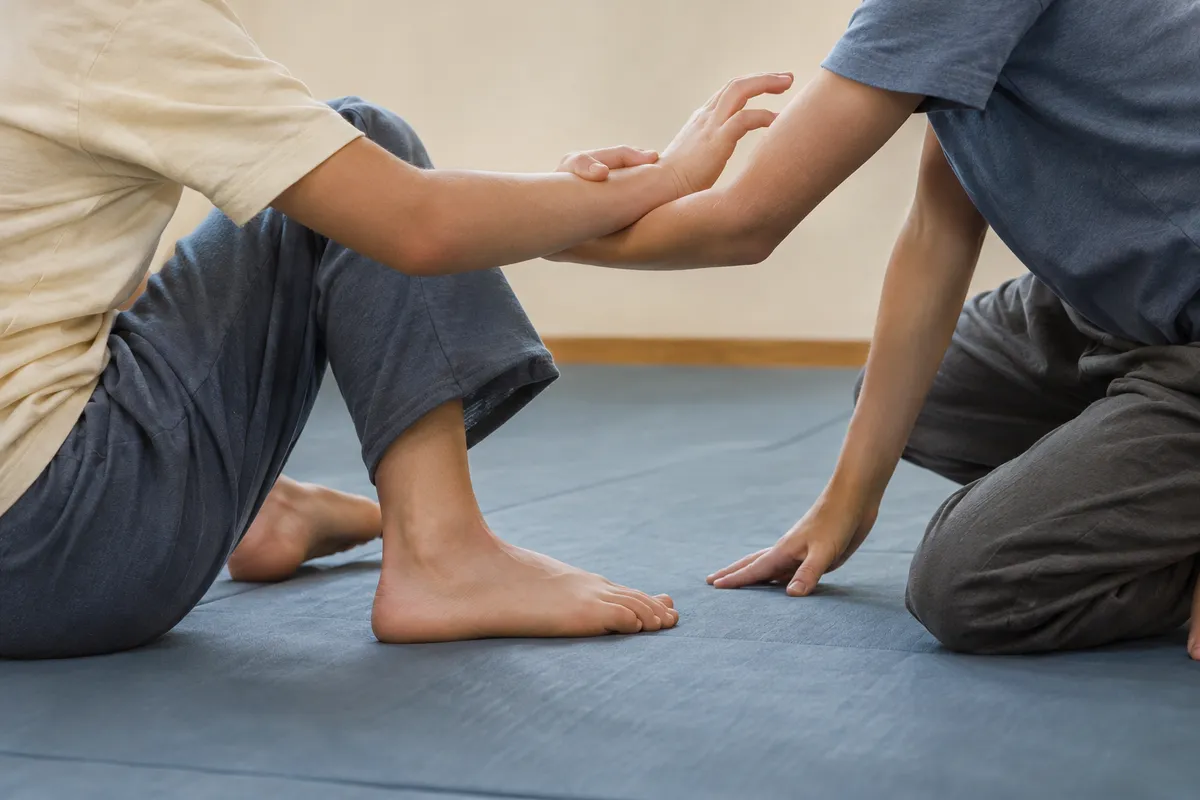
Jiu-Jitsu for children
Develops balance, coordination, body control, and confidence through movement with others. Children learn to cooperate, respond to physical contact, adjust their effort, and respect personal boundaries while developing trust in their own abilities.
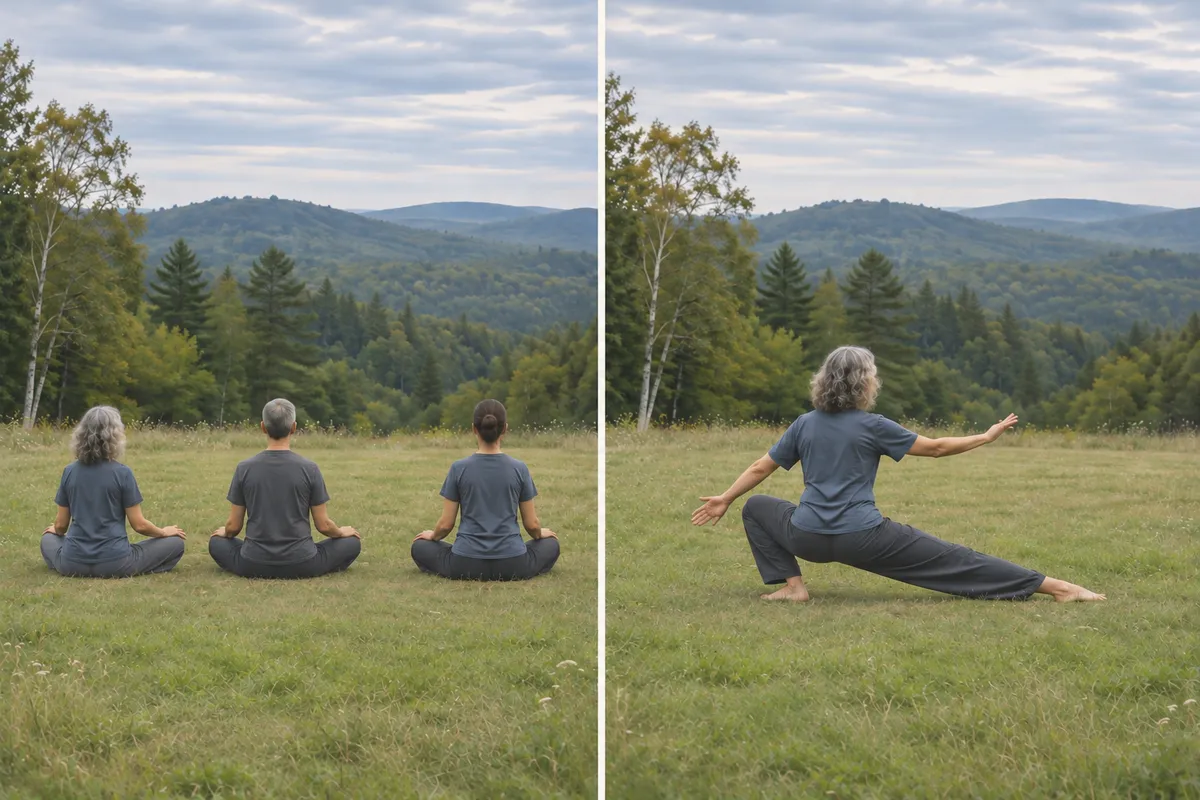
Movement, Strength & Stillness
Develops awareness of how strength, movement, breathing, and attention influence one another. Participants explore physical capability, concentration, and the ability to adjust between effort and stillness, with opportunities to better understand their own responses and abilities.
Finding a Class
If you’re interested in joining, get in touch to discuss which class might suit you and ask about upcoming dates and locations.
For Children
Children’s groups are intended for approximately ages 3–12. Groups are formed according to age, stage of development, and interest. If you’re unsure where your child might fit, we can discuss that together.
About ThriveRlife
Background, experience, and what
shapes this practice.



Get in Touch
Questions, Information, or to arrange
a first conversation.